


Economy : Cameroonian Inflation Begins a Soft Landing at 3.4% in 2025
Dernière mise à jours il y'a 8 moisThe short breath of Cameroonian consumers is finally beginning to ease. According to the latest economic report from the National Institute of Statistics (NIS) published this January 29, 2026, the year 2025 closed with an inflation rate of 3.4%. While this figure still hovers slightly above the 3% ceiling prescribed by CEMAC multilateral surveillance, it marks a clear break from the dizzying spiral of previous years.
Lire aussi : Formation professionnelle : L'Enseignement technique aux abois
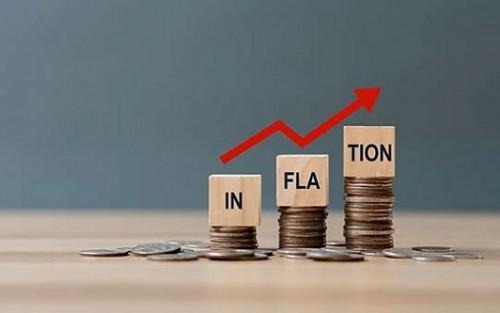
After peaking at 7.4% in 2023 and 4.5% in 2024, the price curve is embarking on a saving decline. This ebb, observed with particular acuity last December thanks to a 0.1% monthly drop in consumer prices, reflects a loosening of supply tensions, offering unhoped-for relief to households after months of logistical overheating.
However, this global slowdown hides pockets of stubborn resistance, particularly on the plates of Cameroonians. Food products, although down by 0.8% in December alone—a first since January 2025—show an annual increase of 7.0%. Furthermore, the inflationary trauma remains etched in the long term: between 2022 and 2025, cumulative inflation reached a record level of 23.3%, driven by an explosion in food prices (41.8%) and transport costs (35.8%). For comparison, the cumulative increase over the previous decade (2013-2021) was only 17.5%, highlighting the exceptional and brutal nature of the crisis that the country is now attempting to leave behind.
The geography of the high cost of living also reveals deep territorial disparities. In 2025, the cost of living was not the same whether one was in the Northern regions or the Western Highlands. While Maroua shows relative stability with the lowest inflation in the country (2.2%), Ngaoundéré and Bamenda hold the record for high costs with a rate of 4.5%. Between the two, Yaoundé (3.7%) and Douala (3.2%) navigate the national average. These gaps are explained by the fragmentation of supply chains and transport costs that vary drastically from one production basin to another, punishing the most isolated areas or those suffering from persistent security disruptions.
A striking fact from this 2026 NIS report is the "internal" nature of inflation. Contrary to popular belief, price increases are no longer merely imported (2.2%); they are now fueled by domestic circuits. Locally produced goods and services climbed by 3.9%, reflecting a rise in national production costs and domestic demand that struggles to be met by local supply. While underlying inflation, stabilized at 2.1%, indicates that the global dynamic is cooling, the surge in fresh products (+11.1%) remains the government's primary challenge for 2026. The stake now is to transform this downward trend into lasting stability to definitively restore the purchasing power of citizens.
CK

bernardo carlos ndjomo
Commentaire(s) du post
Articles similaires






Floyd Miles
Actually, now that I try out the links on my message, above, none of them take me to the secure site. Only my shortcut on my desktop, which I created years ago.