

Cameroon - United Arab Emirates : Exploring new avenues of cooperation for Small and Medium-sized Enterprises.
Dernière mise à jours il y'a 2 ansThe audience granted on February 21, 2025, by the Minister of Small and Medium-Sized Enterprises, Social Economy, and Handicrafts, Achille Bassilekin III, to His Excellency Salem Saeed Musabbeh Almahyoubi Alshamsi, Ambassador of the United Arab Emirates to Cameroon, allowed for the exploration of sectoral cooperation opportunities between the two countries in the field of Small and Medium-Sized Enterprises, Social Economy, and Handicrafts
Lire aussi : AfDB : To invest CFA 157 billion to rehabilitate roads in the Far North
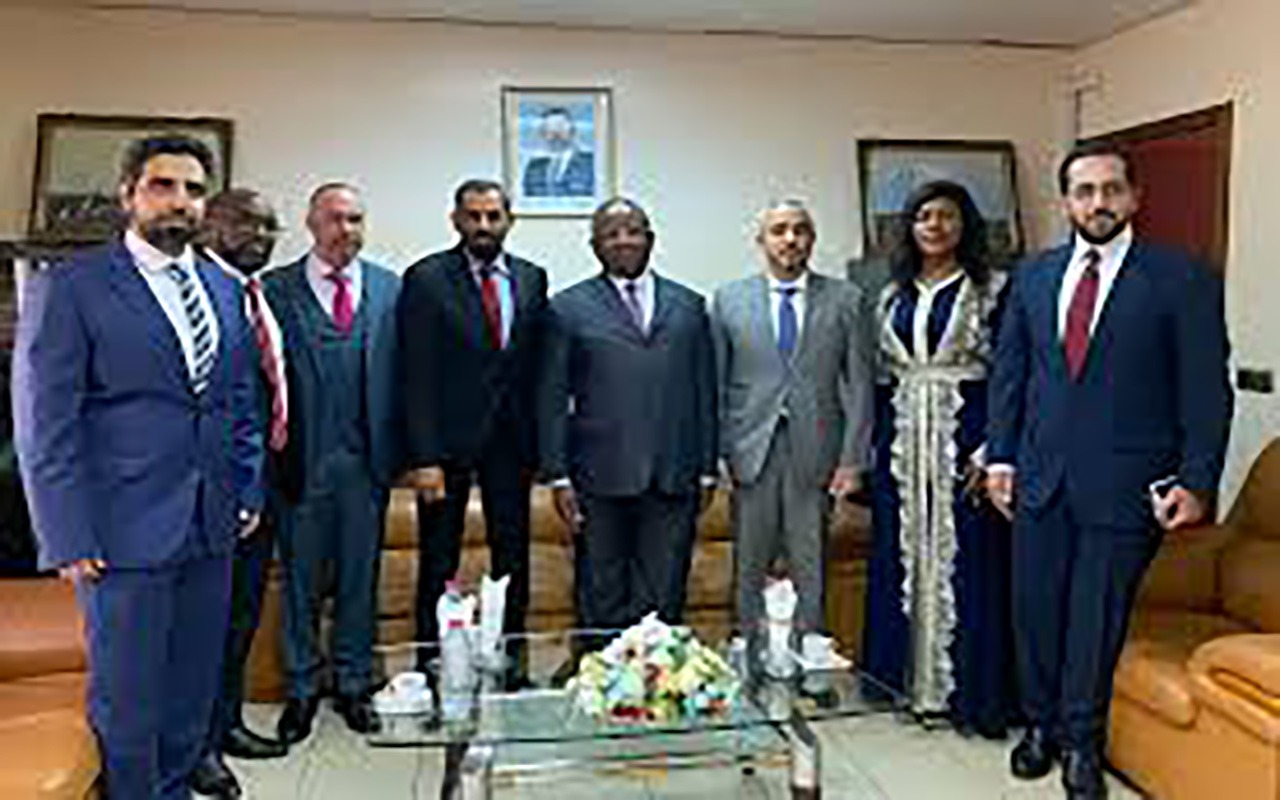
The meeting with MINPMEESA mainly aimed to highlight the strengths of the Cameroonian economy and explore investment and business partnership opportunities offered by Cameroon.During the audience, it was learned that the two personalities discussed the mechanisms put in place by the Emirati Government to enable the productive sector to respond to the current challenge of diversification, at the heart of economic growth.The meeting was also an opportunity to discusse the Emirati entrepreneurial ecosystem, particularly the tools for promoting innovation and financing entrepreneurs, as well as potential areas of collaboration. Additionally, participation in trade fairs, exhibitions, forums, and other promotional events organized by both countries was a key focus of the meeting.The United Arab Emirates stands out from its oil-producing neighbors due to its more diversified economy. The country boasts substantial financial reserves and a robust ecosystem of financing options for innovative small and medium-sized enterprises (SMEs) and startups, including crowdfunding and venture capital. Additionally, the UAE's political stability and favorable business environment are significant advantages. The economy of the United Arab Emirates is closely tied to the oil and gas industry. However, since 2013 and due to the anticipated depletion of oil reserves, the Government has been seeking to diversify its revenue streams through the development of the tourism industry.In Cameroon, individual businesses are primarily financed through self-financing (61.5%), bank loans (46.2%), capital increases, and tontines (38.5%). Non-collective companies are financed through capital increases, bank loans, and tontines (50%). Limited liability companies (SARL) rely more on bank loans (71.4%) and capital increases (66.7%) and self-financing (50%). Public limited companies are financed more through bank loans (74.1%), capital increases, and self-financing (55.6%). We observe that the larger the size of the business, the more it relies on bank loans and advances from associatiates
christelle koambi

JESSICA CHRISTELLE KOAMBI
Commentaire(s) du post
 bernardo2




Floyd Miles
Actually, now that I try out the links on my message, above, none of them take me to the secure site. Only my shortcut on my desktop, which I created years ago.