


Habitat : Célestine Ketcha Courtès Presents Cameroon’s Real Estate Marshall Plan in Kenya
Dernière mise à jours il y'a 6 moisThe future of African metropolises is currently being shaped in Kenya. During the second Africa Urban Forum (AUF2), held from April 8 to 10, 2026, Cameroon made a significant impression with a bold strategy combining rigorous planning and technological innovation. Her Excellency Célestine Ketcha Courtès, Minister of Housing and Urban Development (MINHDU), outlined a roadmap aimed at bridging a structural deficit estimated at 2.5 million housing units, amidst constant demographic pressure.
Lire aussi : Exploitation illégale de l'or: stop à la saignée !
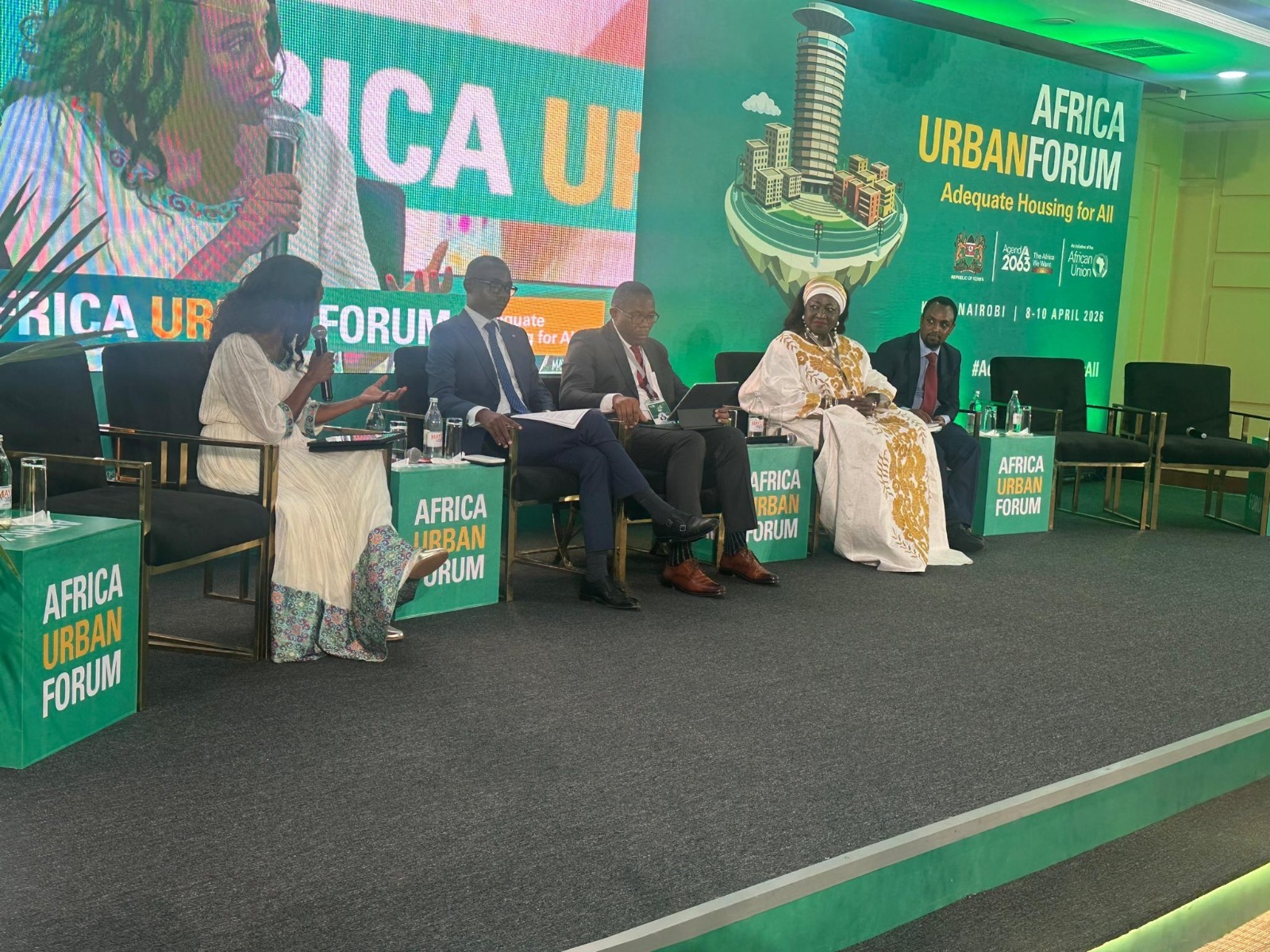
To address this urgency, the Cameroonian government advocates for a paradigm shift. The strategy presented relies on optimized urban land management, indispensable for the development of new spaces. Among the flagship measures mentioned are the creation of housing banks funded by taxation on construction materials, as well as the strengthening of mortgage refinancing mechanisms. This determination to regulate land speculation is accompanied by the active promotion of local EDGE-certified materials, aligning with the AfCFTA dynamic to reduce construction costs while respecting ecological standards.
The major innovation of the Cameroonian intervention lies in the integration of digital tools for urban restructuring. During a roundtable dedicated to Artificial Intelligence (AI), the MINHDU emphasized that geospatial mapping and digital addressing are no longer options, but necessities for integrating spontaneous settlements into the formal city. The use of AI now allows for better anticipation of climate risks—floods and landslides—and the planning of essential services with increased precision. For Cameroon, these technologies are the levers for land transparency and reinforced citizen participation.
The impact of these reforms on Africa's development is decisive. By proposing a genuine real estate "Marshall Plan" financed by the valuation of natural resources, Cameroon is charting a path toward urban sovereignty. The transformation of precarious neighborhoods through technology reduces social divides and improves the overall productivity of cities, which serve as the economic lungs of the continent.
For Africa, the challenge transcends mere construction; it is about designing resilient, inclusive, and sustainable cities in accordance with the African Union's Agenda 2063. By digitalizing access to property and promoting decent housing, States strengthen social stability and attract structural investments. This transition toward smart housing places human capital at the center of progress, ensuring that rapid urbanization becomes an asset for economic growth rather than an insurmountable challenge. A better integration of these digital solutions makes it possible to perpetuate achievements in territorial planning.
Asaba

bernardo carlos ndjomo
Commentaire(s) du post







Floyd Miles
Actually, now that I try out the links on my message, above, none of them take me to the secure site. Only my shortcut on my desktop, which I created years ago.